

The Mahabharata: Wisdom, Legendary Characters, and Its Timeless Lessons for Humanity
The Mahabharata is one of the most influential and profound epics in world history, offering a rich combination of storytelling, philosophy, ethics, leadership, and spiritual knowledge. Traditionally composed by the sage Vyasa, the Mahabharata is not just a tale of war but a comprehensive guide to human life, relationships, governance, and moral responsibility. It reflects the complexities of human nature and the constant struggle between right and wrong, duty and desire, power and humility.
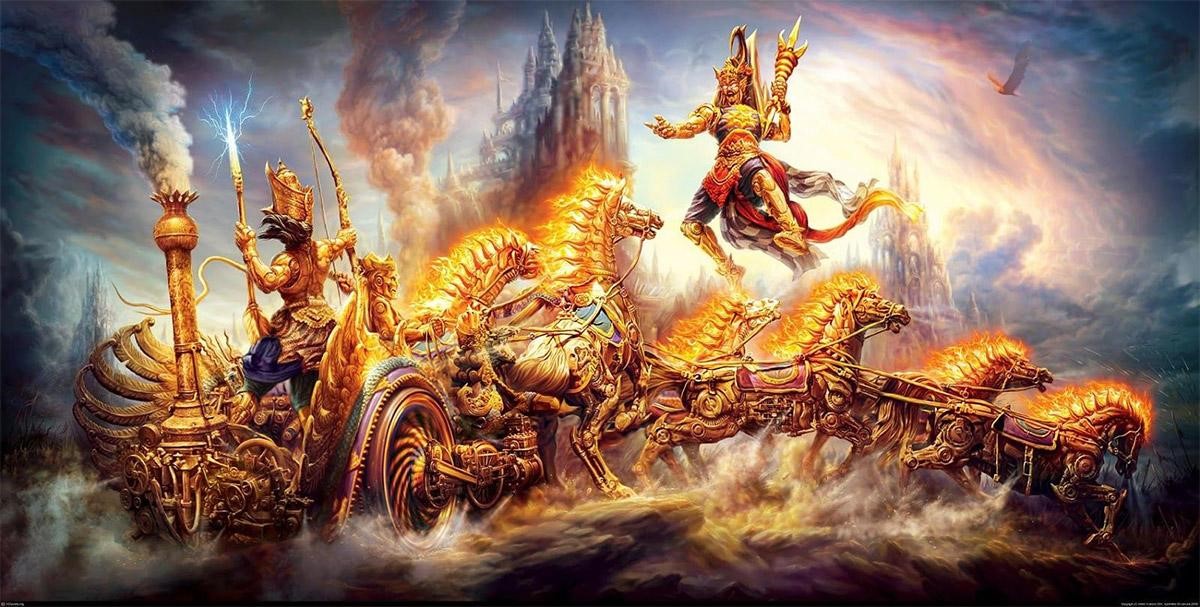
Set in ancient India, the epic revolves around the royal family of the Kuru dynasty and the intense rivalry between two groups of cousins—the Pandavas and the Kauravas. Their conflict ultimately leads to the great war at Kurukshetra, a battle that symbolizes the consequences of greed, injustice, and unchecked ambition. Yet, beyond the war, the Mahabharata provides deep insights into leadership, justice, loyalty, sacrifice, and the importance of dharma, or righteous conduct.
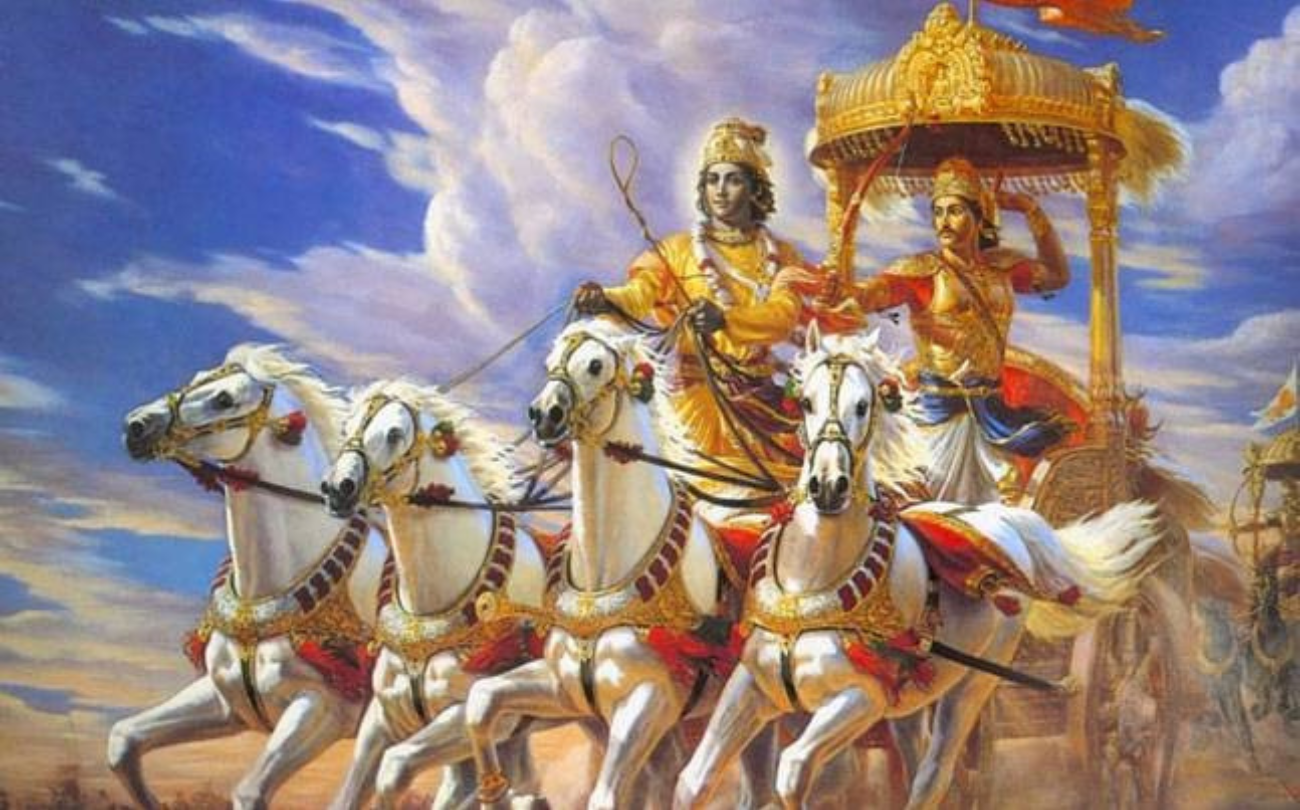
One of the most significant sections of the Mahabharata is the Bhagavad Gita, a spiritual dialogue between Krishna and Arjuna. On the battlefield, Arjuna faces a moral crisis as he prepares to fight against his own relatives and teachers. Krishna’s teachings on duty, discipline, and selfless action have become timeless principles for leadership, personal growth, and decision-making.
The Major Characters of the Mahabharata and Their Lessons
The War
The Mahabharata is filled with powerful and memorable characters, each representing different virtues, weaknesses, and life lessons. Their personalities and decisions shape the course of the story and provide valuable guidance for understanding human behavior.
Yudhishthira is known as the embodiment of truth and righteousness. As the eldest of the Pandavas, he values honesty, justice, and fairness above all else. His life teaches the importance of integrity, patience, and responsibility in leadership. Even when faced with hardship and exile, he remains committed to moral principles, showing that true strength lies in character.
Bhima represents physical strength, courage, and determination. He is fearless in battle and fiercely loyal to his family. Bhima’s character teaches that strength must be guided by loyalty and a sense of justice. His bravery inspires confidence and unity among his allies.
Arjuna is one of the most admired heroes in the epic. Known for his discipline and skill, he symbolizes focus, dedication, and continuous learning. Arjuna’s journey demonstrates the importance of guidance, mentorship, and self-control in achieving excellence.
Nakula and Sahadeva represent humility, loyalty, and knowledge. Though not always in the spotlight, they play essential roles in supporting their brothers and maintaining unity within the family. Their characters remind us that teamwork and cooperation are critical to success.
On the opposing side stands Duryodhana, whose ambition and jealousy drive the central conflict of the story. Duryodhana’s refusal to share power and his desire for dominance lead to destruction and suffering. His character serves as a warning about the dangers of pride, greed, and arrogance.
Another deeply respected figure is Karna, one of the most tragic heroes in the epic. Despite being a noble and generous warrior, Karna faces rejection and hardship due to his unknown royal birth. His loyalty to Duryodhana, even when he knows the truth about his own origins, reflects the complexity of honor, friendship, and destiny.
Draupadi is a symbol of dignity, courage, and resilience. Her humiliation in the royal court becomes a turning point in the story, igniting the demand for justice and ultimately leading to war. Draupadi’s strength in adversity highlights the importance of self-respect and the fight against injustice.
Bhishma represents sacrifice, loyalty, and duty. He takes a lifelong vow of celibacy to protect his father’s honor and remains devoted to the throne, even when he disagrees with its rulers. His life illustrates the power of commitment and the burden of responsibility.
Dronacharya is the revered guru who trains both the Pandavas and the Kauravas in warfare. His character highlights the importance of education, discipline, and mentorship. At the same time, his loyalty to the throne shows how duty can sometimes create moral dilemmas.
Knowledge and Teachings of the Mahabharata
The Mahabharata is often described as an encyclopedia of life because it covers nearly every aspect of human experience. It teaches the importance of dharma, or doing what is right even when it is difficult. The epic emphasizes that decisions should be guided by wisdom, patience, and ethical values rather than emotions or personal gain.
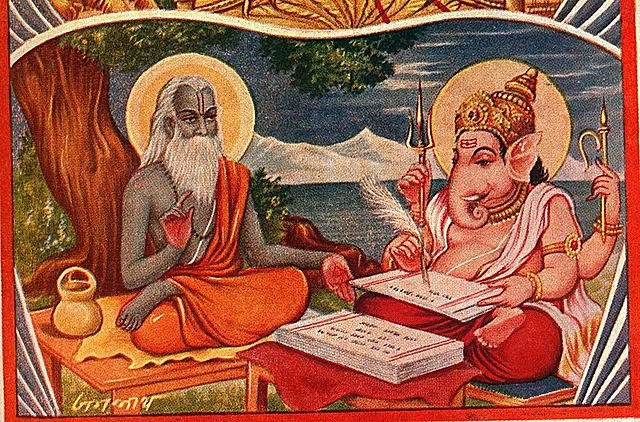
Lord Ganesha writing The Epic Mahabharatha
The story also highlights the importance of leadership and governance. Kings in ancient times studied the Mahabharata to understand justice, administration, and public responsibility. The epic teaches that a leader must be fair, compassionate, and accountable to the people. Power without morality leads to chaos, while responsible leadership creates stability and prosperity.
Benefits of Studying the Mahabharata
Studying the Mahabharata offers many practical benefits for individuals and society. It strengthens moral values, improves decision-making, and encourages self-discipline. The epic teaches resilience in the face of adversity and reminds people that challenges are opportunities for growth.
For students and professionals, the Mahabharata provides lessons on teamwork, strategy, and conflict resolution. For leaders and policymakers, it offers guidance on ethical governance and long-term planning. For families and communities, it promotes unity, respect, and mutual support.
The Lasting Impact of the Mahabharata
The influence of the Mahabharata extends far beyond religion. Its stories have shaped literature, art, theater, and cultural traditions for thousands of years. Television series, films, and stage performances continue to bring its characters and lessons to new generations. The epic has also inspired scholars, philosophers, and leaders around the world who seek wisdom in its teachings.
In modern society, where people often face stress, competition, and uncertainty, the Mahabharata remains a powerful source of guidance. It reminds us that success is not only measured by victory but by integrity, compassion, and the courage to stand for what is right.
Ultimately, the Mahabharata is more than an ancient epic—it is a timeless manual for life. Its characters, stories, and teachings continue to inspire humanity to live with wisdom, discipline, and purpose.